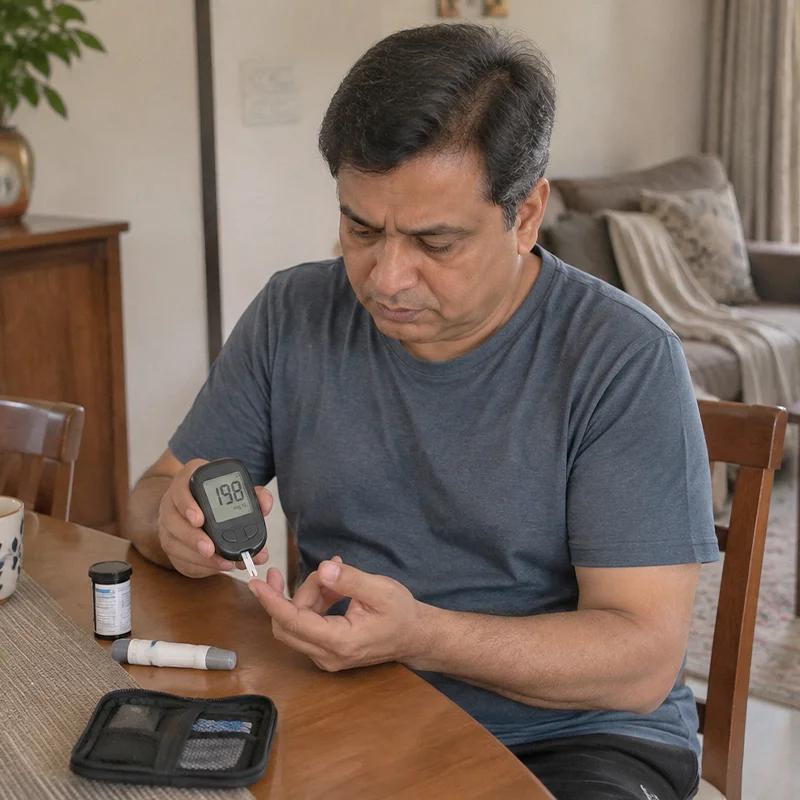



Blood sugar can become dangerous when it drops too low or rises significantly above a healthy range. Knowing the warning signs, understanding blood sugar levels, and responding promptly can help prevent serious complications. Here is what different readings mean, and when you should take action.
What Level of Blood Sugar Is Considered Dangerous?
Blood glucose naturally changes throughout the day based on food, activity, medication, stress and other factors. A single abnormal reading does not always mean an emergency, but persistent or extreme readings should never be ignored.
For many adults, these general ranges provide useful context:
Blood Sugar Reading | General Meaning |
|---|---|
Below 70 mg/dL | Low blood sugar |
Below 54 mg/dL | Clinically significant hypoglycemia |
70–99 mg/dL fasting | Generally normal |
100–125 mg/dL fasting | Prediabetes range |
126 mg/dL or higher fasting | Diabetes-range result requiring evaluation |
Above 180 mg/dL after meals | Elevated for many people with diabetes |
Above 250–300 mg/dL | Concerning, particularly if persistent or accompanied by symptoms |
Around 400 mg/dL or higher | Very high and potentially dangerous, especially with symptoms |
These numbers are general guidelines, not individual treatment targets. Your healthcare professional may recommend different blood sugar goals depending on your age, health, medications and diabetes management plan.
When Is High Blood Sugar Dangerous?
High blood sugar, or hyperglycemia, occurs when glucose remains above the body's desired range. Mild elevations may cause few noticeable symptoms, but increasingly high levels can lead to dehydration and serious metabolic complications.
A reading above 250 mg/dL deserves attention, particularly when it persists. Blood sugar above 300 mg/dL becomes more concerning, especially when accompanied by symptoms.
Very high blood glucose can contribute to serious conditions such as diabetic ketoacidosis (DKA) or hyperosmolar hyperglycemic state (HHS). These conditions require urgent medical assessment.
Is Blood Sugar Above 300 Dangerous?
Blood sugar above 300 mg/dL is significantly elevated. It becomes particularly concerning when it remains high or occurs alongside excessive thirst, frequent urination, vomiting, abdominal pain, weakness, confusion or difficulty breathing.
Do not rely on the number alone. Severe symptoms can indicate an emergency even when the reading is lower.
Is Blood Sugar Above 400 Dangerous?
A blood sugar reading around 400 mg/dL or higher is extremely high and should be taken seriously. If it occurs with vomiting, confusion, severe dehydration, drowsiness or breathing difficulty, seek urgent medical care.
Symptoms of Dangerously High Blood Sugar
High blood sugar can develop gradually, so knowing the warning signs is important. Common symptoms include:
- Excessive thirst
- Frequent urination
- Dry mouth
- Fatigue or weakness
- Blurred vision
- Headache
- Nausea or vomiting
- Abdominal discomfort
- Dehydration
- Fruity-smelling breath
- Confusion or unusual drowsiness
- Difficulty breathing
When Should High Blood Sugar Be Treated as an Emergency?
Seek emergency medical care if very high blood sugar occurs with:
- Difficulty breathing
- Persistent vomiting
- Severe weakness
- Confusion or altered alertness
- Loss of consciousness
- Severe dehydration
- Signs of diabetic ketoacidosis or another serious complication
These symptoms require medical evaluation rather than home management alone.
When Is Low Blood Sugar Dangerous?
Low blood sugar, or hypoglycemia, generally means a glucose level below 70 mg/dL. It can happen when someone takes too much insulin or certain diabetes medicines, skips a meal, exercises more than usual, or changes their usual eating pattern.
The risk increases as blood glucose falls further.
A reading below 54 mg/dL represents clinically significant hypoglycemia and requires prompt treatment. Very low blood sugar can affect the brain and cause confusion, seizures or unconsciousness.
Is Blood Sugar Below 50 Dangerous?
Yes. A blood sugar level below 50 mg/dL is significantly low and can cause neurological symptoms. Immediate treatment is important, particularly if symptoms such as confusion, weakness, or difficulty staying awake develop.
What Happens When Blood Sugar Falls Below 40?
Blood sugar below 40 mg/dL can cause severe hypoglycemia. A person may become confused, have a seizure, or lose consciousness.
If someone with severely low blood sugar is unconscious or unable to swallow safely, do not give them food or drink by mouth. Emergency medical assistance is required.
Symptoms of Dangerously Low Blood Sugar
Early symptoms of hypoglycemia may include:
- Shaking
- Sweating
- Hunger
- Fast heartbeat
- Dizziness
- Irritability
- Anxiety
- Headache
- Weakness
- Difficulty concentrating
As glucose falls further, symptoms can become more severe:
- Confusion
- Slurred speech
- Poor coordination
- Seizures
- Loss of consciousness
Recognising these symptoms early can help prevent severe hypoglycemia.
What Causes Blood Sugar to Become Dangerously High or Low?
Blood glucose can fluctuate for many reasons. Understanding common triggers makes it easier to identify unusual changes.
Common Causes of High Blood Sugar
- Missing prescribed diabetes medication
- Illness or infection
- Eating more carbohydrates than planned
- Physical inactivity
- Dehydration
- Significant stress
- Changes in medication
- Insufficient insulin in people who require it
Common Causes of Low Blood Sugar
- Taking more insulin or diabetes medicine than prescribed
- Skipping or delaying meals
- Eating less than usual
- Increased physical activity
- Drinking alcohol without enough food
- Changes in medication or routine
Repeated unexplained highs or lows should be discussed with a healthcare professional.
How Blood Sugar Levels Are Measured
Different glucose tests provide different information. Understanding the difference helps put an individual reading into context.
Fasting Blood Sugar
Fasting blood glucose measures sugar after not eating for at least eight hours. It is commonly used to screen for and assess diabetes.
Post-Meal Blood Sugar
Post-meal glucose measures blood sugar after eating. The timing of the test matters because glucose normally rises after food.
Choosing balanced meals and paying attention to overall nutrition can support a healthier routine. For general nutrition guidance, explore these foods that may support healthy weight management.
Random Blood Sugar
A random blood glucose test can be taken at any time, regardless of when you last ate. It can help evaluate symptoms of high blood sugar and diabetes.
HbA1c
HbA1c provides an estimate of average blood glucose over approximately the previous two to three months. Unlike a single glucose reading, it provides a broader picture of long-term blood sugar control.
What Is the Difference Between High Blood Sugar and Diabetes?
High blood sugar does not automatically mean that a person has diabetes.
Glucose can temporarily rise because of illness, stress, medication, food or other factors. Diabetes diagnosis requires appropriate testing and clinical interpretation.
If blood sugar repeatedly falls outside the expected range, arrange a medical evaluation rather than attempting to diagnose yourself from individual readings.
How to Keep Blood Sugar Within a Healthy Range
Healthy daily habits can support better glucose management, although lifestyle measures do not replace prescribed diabetes treatment.
Follow Your Prescribed Treatment
Take diabetes medicines or insulin exactly as directed. Do not change doses or stop medication without professional guidance.
Choose Balanced Meals
Prioritise vegetables, fibre-rich foods, appropriate protein sources and balanced portions. Limiting excessive added sugar and highly refined carbohydrates can also support healthier eating patterns.
For people working on overall nutrition and healthy body weight, understanding what to eat to support healthy weight gain can also provide useful general nutrition information, although individual dietary needs vary.
Stay Physically Active
Regular physical activity can improve insulin sensitivity and help with blood glucose management. Choose activity that is appropriate for your health and fitness level.
Monitor Blood Sugar as Recommended
Regular monitoring can reveal patterns that a single reading cannot. Record unusual readings and discuss recurring changes with your healthcare professional.
Stay Hydrated
Adequate fluid intake supports overall health and can be particularly important when high blood sugar increases fluid loss through frequent urination.
Get Regular Health Checkups
Regular medical reviews help assess glucose control, medications and potential complications before they become more serious.
Can Ayurveda Support Blood Sugar Management?
Ayurvedic wellness practices can complement healthy lifestyle habits, but they should not replace diabetes medication, glucose monitoring or medical treatment.
Ayuvya offers products formulated around traditional Ayurvedic ingredients for people seeking additional support as part of their daily wellness routine.
Ayuvya Diabo Plus Shots are designed as a convenient daily wellness option, while Ayuvya Diabo Plus Tablet provides another format for incorporating Ayurvedic ingredients into a regular routine.
If you have diabetes or take glucose-lowering medication, speak with your healthcare professional before adding any supplement. Never stop or reduce prescribed medication because of a supplement.
For people interested in broader Ayurvedic wellness, Ayuvya's Ayurvedic healthcare products offer additional options for incorporating traditional wellness practices into a daily routine.
When Should You See a Doctor for Blood Sugar?
Arrange medical advice when:
- Blood sugar readings remain consistently high
- You repeatedly experience low blood sugar
- Your glucose readings frequently fall outside your recommended range
- You develop unexplained symptoms
- Your current diabetes management plan no longer seems effective
- You experience frequent changes in glucose levels
Seek emergency medical care for severe symptoms such as confusion, unconsciousness, seizures, breathing difficulty, persistent vomiting, or severe dehydration.
Final Takeaway
Knowing what level of blood sugar is dangerous helps you recognise when a reading needs attention, but the number is only part of the picture. Very high or very low glucose combined with severe symptoms can signal a medical emergency.
For everyday wellness support alongside a balanced diet and healthy lifestyle, explore Ayuvya Diabo Plus Shots and Ayuvya Diabo Plus Tablet. If you have diabetes, continue following your healthcare professional's treatment and monitoring plan.
Take the Next Step With Ayuvya
Support your daily wellness routine with an Ayurvedic approach designed for modern lifestyles. Explore Ayuvya Diabo Plus Shots and Ayuvya Diabo Plus Tablet and choose the format that fits your routine.
Explore Ayuvya's Diabetes Wellness Range