Table of Contents:
- Learn What Is Sabudana?
- Top 8 Sabudana Nutritional Benefits
- Sabudana Khichdi Nutritional Value
- Sabudana Side Effects In Pregnancy
- Conclusion
- FAQs
Learn What Is Sabudana?
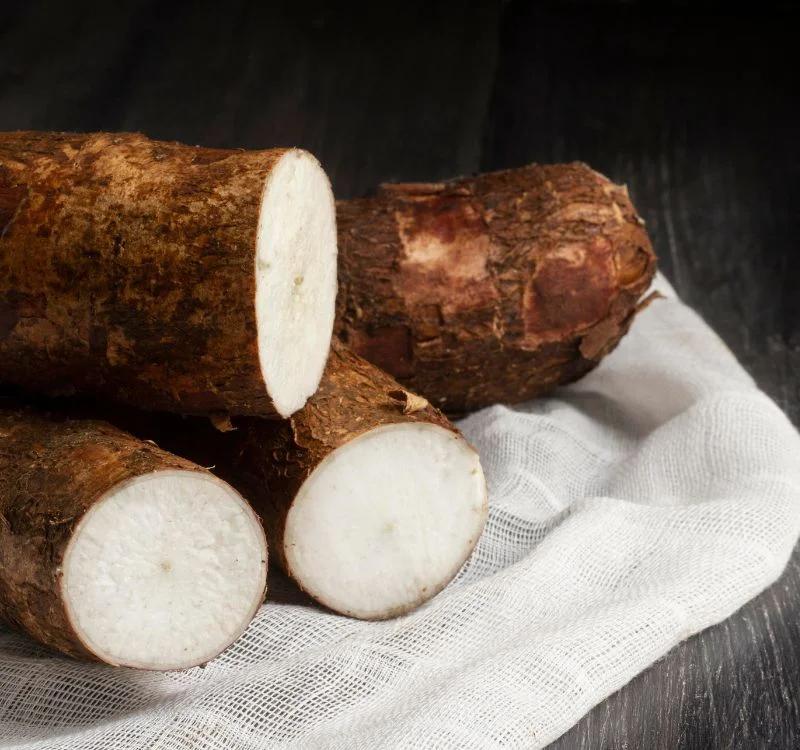
Tapioca or sabudana is a starchy substance extracted from the cassava roots. The cassava root contains a high amount of starch, which can be processed into various forms, including pearls, flakes, or flour. Tapioca or Sabudana is a nutritious ingredient that can be included in hearty meals like sabudana khichdi and sabudana kheer. Sabudana calories provide an essential amount of carbohydrates, which can be part of a satisfying meal.
Tapioca contains hydrocyanic acid, making it lethal to consume raw. The roots must be peeled to eliminate harmful acid then beaten and washed with water, also heat to evaporate the remaining residues. Sabudana has a tasteless, chewy texture when cooked, which makes it popular in desserts like sabudana kheer, or in savoury dishes like sabudana khichdi where it can be used as a thickener. It’s especially valued for being naturally gluten-free.
Read The Top 8 Sabudana Nutritional Benefits Below
Sabudana nutritional content offers several health benefits when prepared and consumed. Let’s read in brief about the benefits of sabudana nutritional content in your diet:
Allergy-Free: Sabudana nutritional value offers gluten-free and hypoallergenic properties, making it suitable for people with gluten intolerance or celiac disease. It’s a staple in fasting recipes like sabudana khichdi and sabudana kheer.
Gain Weight: With its high carbohydrate content, sabudana calories profoundly assist you in gaining weight. It’s a natural calorie-dense food that helps achieve a balanced BMI.
Cholesterol Free: Sabudana is low in fat and contains no cholesterol. This makes it a heart-healthy ingredient, especially when paired with nutrient-rich foods like vegetables or nuts. There are considerable amounts of minerals and vitamins in sabudana khichdi nutritional value, exceptionally beneficial for sick people, recovering from digestive issues, fatigue, or mild illnesses.
Improves Blood Circulation: Packed with copper and iron, sabudana nutritional content supports better blood circulation. These nutrients help combat anemia and improve overall blood flow.
Beneficial For Pregnancy: Sabudana khichdi is rich in Vitamin B complex, essential for fetal development. Sabudana nutritional value provides protein and energy, making it a good supplement for pregnant women when consumed in moderation.
Improves Digestion: Sabudana calories are easy to digest and soothing for the stomach. Particularly meals like sabudana khichdi or sabudana kheer can help improve your digestion. It is ideal for individuals recovering from illnesses or dealing with digestive issues.
Strengthen the bone: With calcium, protein, and essential vitamins, sabudana nutritional content helps improve bone density and prevent conditions like osteoporosis, causing brittle bones.
Promotes Healthy Heart: Sabudana nutritional value helps reduces the risk of hypertension and supports better metabolism, lowering the chances of blood clots and heart disease.
Sabudana Khichdi Nutritional Value
Sabudana calories per 100g is 350–360 kcal in Sabudana khichdi:
Total fat: 4-6g
Saturated fat: 1-2g
Trans Fat: g
Cholesterol: 10-20mg
Sodium: 10-15mg
Total carbohydrate: 30-35g
Dietary Fiber: 1-2g
Total sugar: 0g
Includes added sugar: 0g
Protein: 1-2g
Vitamin: 0% Daily Value
Iron: 5-10% Daily Value
Calcium 0% Daily Value
Potassium 2-4% Daily Value
Hence, sabudana is high in glycemic index.
Sabudana Side Effects In Pregnancy
Many people prefer consuming sabudana calories for pregnancy because of its allergen-free and weight management properties. However, it is important to be aware of sabudana side effects in pregnancy. Sabudana is generally easy to digest, some pregnant women may experience digestive discomfort such as bloating, gas, or constipation after consuming it. Cooking in moderation can help eliminate these issues. Avoid relying heavily on sabudana calories as a primary source of nutrition during pregnancy as it may lead to potential nutrient imbalances or deficiencies. Sabudana for pregnancy is beneficial as long as it is taken with other essential nutrients.
Conclusion
Sabudana nutritional value and sabudana calories carry several health benefits and have earned profound importance in kitchens worldwide. People nowadays have become more health conscious, thus seeking natural substitutes for their diet and sabudana, a traditional supplement for energy and strength. It is used as gluten-free baking or as a thickening agent in soups and sauces. Sabudana is easy to digest, making it a gentle food for people with digestive issues. Packed with iron and other essential minerals, it can also help support bone health and combat anaemia.